
7 Questions to Ask Yourself Before Building a Home
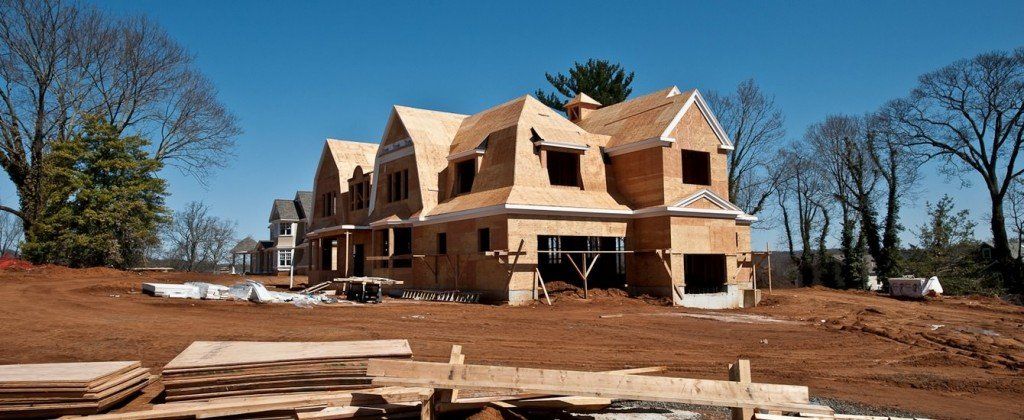
Building your dream home can sound really exciting, but have you thought about everything that goes into building a new home?
Here are 7 Questions you should ask yourself before making any concrete plans!
1. WHAT ARE MY EXPECTATIONS WITH THIS NEW HOME?
Are you looking for a custom home build where you are responsible for every single decision made or do you want to choose an existing floor plan and build a house that is almost entirely predetermined for you? Or maybe you are looking for a mix of both? Regardless…
- Every home builder has a unique approach to building. Make sure your level of involvement is crystal clear from the start!
2. HOW FAMILIAR AM I WITH THE LOCAL BUILDERS AND THE HOMES THEY BUILD?
Although there are standards for how your home will be built (code), there are no standards for pricing. Each builder will quote prices using different specifications for the different homes they build. If one builder is coming in with a estimated build price that is considerable less than another builder, you should dig deeper into the quality of materials being used.
Is the flooring hardwood and tile or carpet and lino? Am I getting the basic white appliance package or stainless steel (or are appliances even included?).
Knowing your local builders and the homes they build will let you compare apples to apples and ensure you get the best home!
3. DO I HAVE ANY SPECIFIC NEEDS OR FEATURES I WANT INCLUDED?
If you are looking to add a feature to your home to meet a specific need, make sure your builder has previous experience building in this area. Practical features like wheel chair accessibility or a separate basement suite should be considered as well as lifestyle features like a backyard pool or a below the kitchen wine cellar.
Always consider experience when choosing a builder and don’t be afraid to ask for references!

4. IS POSSESSION DATE IMPORTANT TO ME?
Building a home is a long process, there are so many moving parts that delays are almost inevitable. If you have a specific timeline with a very narrow window for possession, building might not be your best option.
- If you don’t have flexibility around when you take possession of your new home, building might not be your best option.
5. CAN I AFFORD THIS HOME IF INTEREST RATES GO UP BEFORE I TAKE POSSESSION?
Given that the building a home has no guaranteed end date, it is important to take a comprehensive look at your personal finances and discuss your financing options with a mortgage professional. That is where I come in!
Because most lenders will only hold an interest rate for 120 days, it’s a good idea to make sure that you have allowed some room in your debt service ratios for a potential rate increase before possession date.
6. HOW WELL DO I HANDLE STRESSFUL SITUATIONS?
Building a home can be a very stressful experience, there is no doubt about it. How well you handle stress should determine what type of house you build. Go back to point one and determine your expectations with an honest evaluation of not only what you want, but what you are capable of handling!
7. IS IT BETTER FOR ME TO BUILD A HOME OR BUY AN EXISTING HOME?
Sometimes people fall in love with the idea of building a home more than they actually enjoy building the home! There is a chance your dream home is out there, already built, priced comparably, ready to buy without going through 2 years of waiting, decision making and delays!
Make sure you are looking at ALL your options and not just fixating on building for the sake of building!
If you are considering building a home, please let me know… I would love to discuss some of the financing options available to you!
SHARE THIS ARTICLE
RECENT POSTS