SABEENA BUBBER

MORTGAGE BROKER | AMP

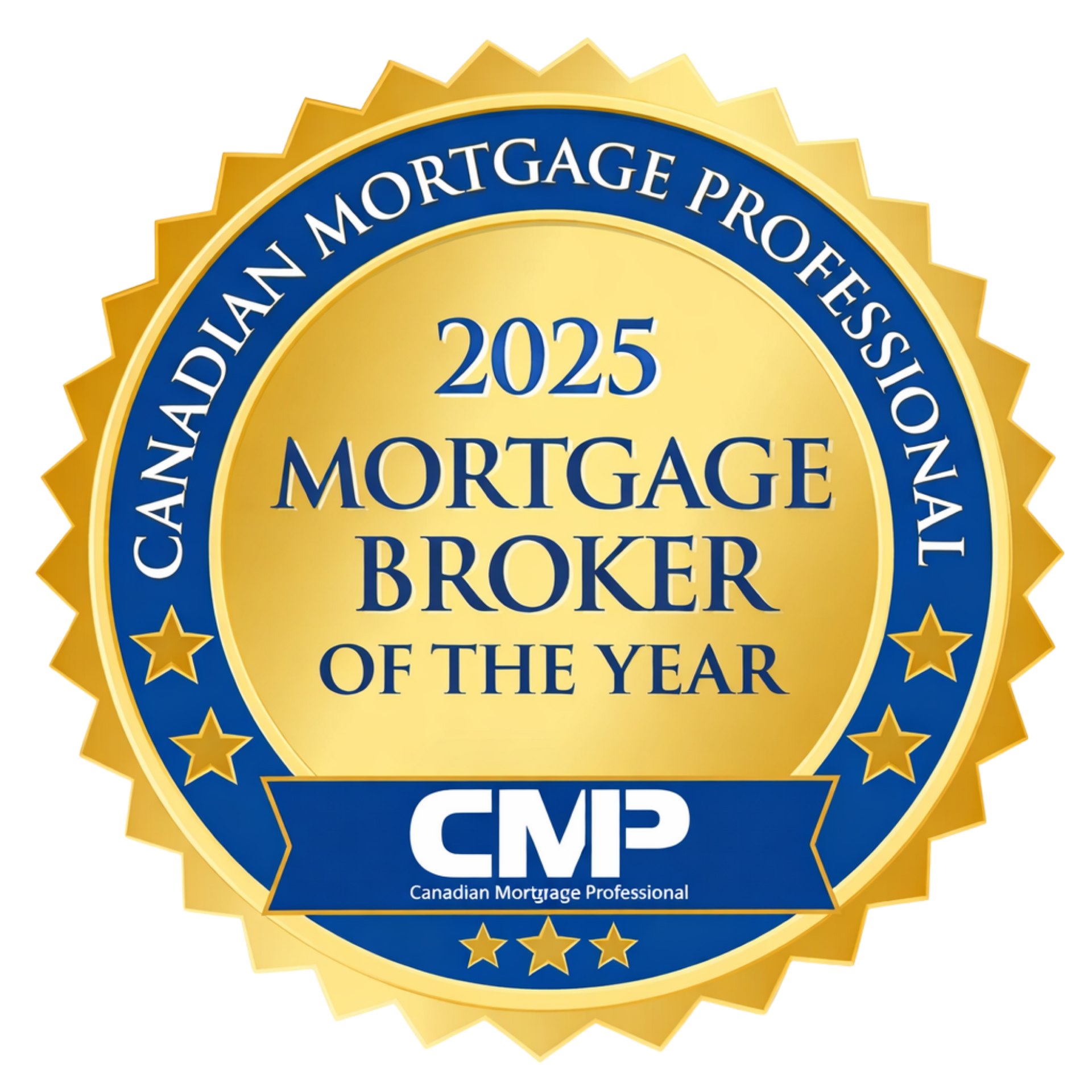
Sabeena Bubber is a nationally recognized Mortgage Broker with Xeva Mortgage, bringing over 30 years of experience in consumer mortgage and finance. In 2025, she was honoured as Mortgage Broker of the Year for both Western Canada and all of Canada, a testament to her commitment to excellence. Over her career, she has funded more than $1 billion in mortgages for over 3,000 clients.


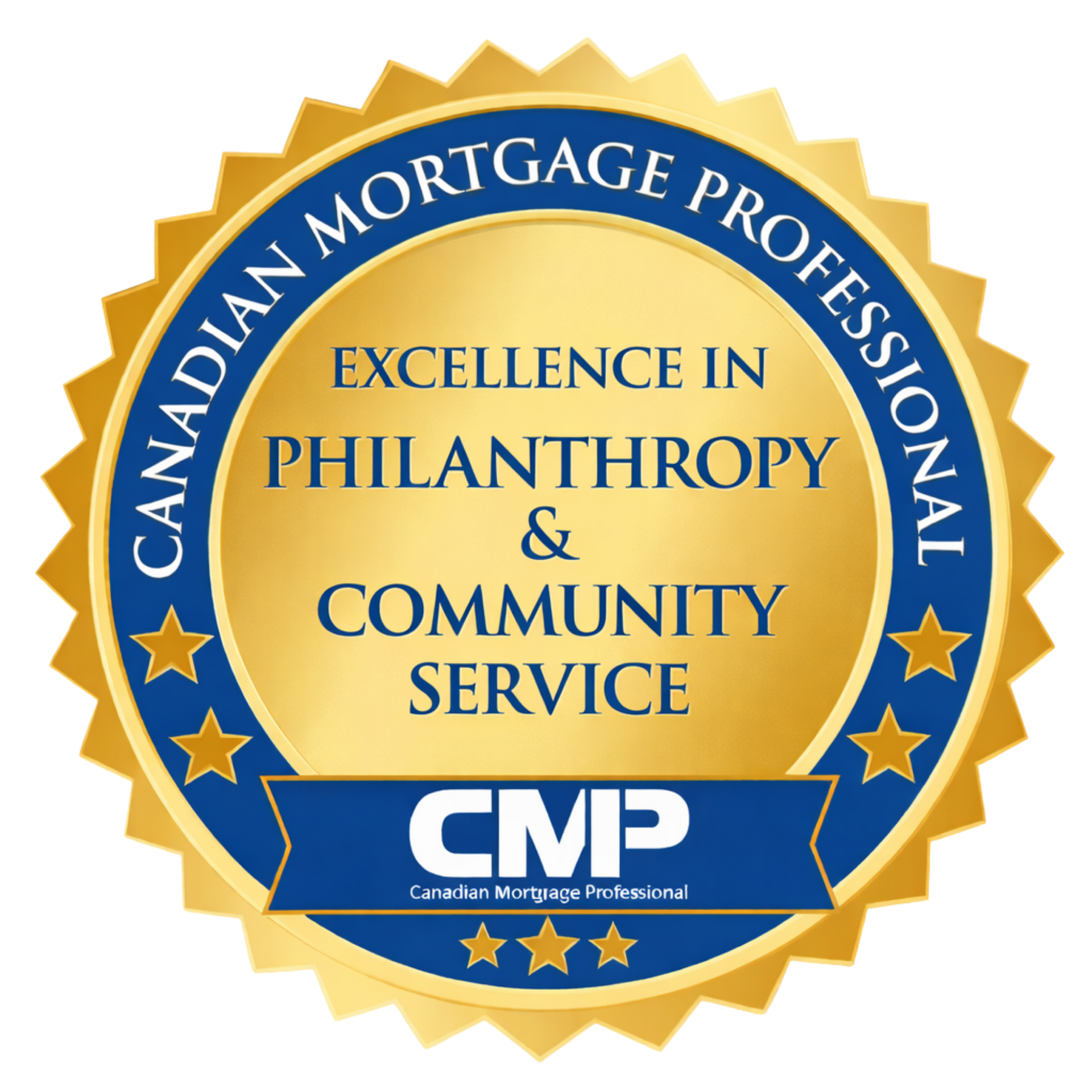
Her achievements include the 2025 Mortgage Broker of the Year (Canada), 2025 Mortgage Broker of the Year (Western Canada), 2019 CMBABC Community Service Award, 2019 Excellence in Philanthropy and Community Service Award, recognition as a Woman of Influence, CMP Top 75 Mortgage Broker in Canada, and induction into the CMP Hall of Fame.


Beyond professional success, Sabeena is deeply committed to giving back. She founded Brokers Who Care, a nationwide group of mortgage professionals who pool resources to support families in crisis, donating over half a million dollars to date. She also created The Divorce Circle, a platform providing education, resources, and community to individuals navigating separation. Recognizing the overwhelming complexities of divorce, she developed a trusted space where people can learn about their process options, build their “Divorce Team,” and find guidance on housing and real estate needs post-divorce.


What sets Sabeena apart is her dedication to clients’ long-term success. She does more than secure interest rates—she deciphers fine print, structures tailored solutions, and builds enduring relationships. While she is happy to arrange a single mortgage, her passion lies in being a lifelong financial guide, helping clients make smart, informed decisions at every stage.


On a personal note, Sabeena is a proud mother of two daughters who are the centre of her world. A divorced parent herself, she understands the challenges many clients face and approaches her work with empathy and care. She is also a breast cancer survivor whose resilience has shaped her outlook on life. Passionate about personal growth, she studies NLP, hypnotherapy, and the teachings of Dr. Joe Dispenza, continually seeking to expand her knowledge and impact.


At her core, Sabeena’s mission is simple yet profound: to make a positive and lasting difference in the lives of those she meets—through mortgages, mentorship, community service, and compassion.


LEARN MORE ABOUT ME HERE   >

NEL C

Happy Client

Sabeena assisted us with refinancing and renewing our mortgage. We felt she made it a priority to ensure our financial goals are reached. She was attentive to our needs and timeline and an absolute pleasure to work with. We highly recommend her services.

My Process is Simple

STEP ONE

Start the conversation. 

The best place to start is to connect with me directly. The mortgage process is personal, and it can be daunting. My commitment to you is that I'll listen to all your needs, assess your financial situation, and provide you with a plan to move forward. 

STEP TWO

Discover the best option. 

Once we’ve had a look at your financial situation, we’ll consider a variety of mortgage options, I’ll outline what documents are necessary to qualify for a mortgage, negotiate with the lenders on your behalf, and arrange the mortgage that best suits your needs.

STEP THREE

Sit back and relax. 

Once we’ve arranged the mortgage product that best suits your needs, you’re not alone. I’m your mortgage professional for life. If you’ve got questions in the years to come, I’m always available to make sure that your mortgage is working FOR you, and not the other way around!

Videos

Visit my videos page for more helpful information.

Podcasts

Features

Nice Things My Clients Say

Getting a mortgage shouldn't be confusing. I'll guide you through it. 

Mortgage Services

Know the right mortgage product for your circumstance.

Download my Mortgage Toolbox

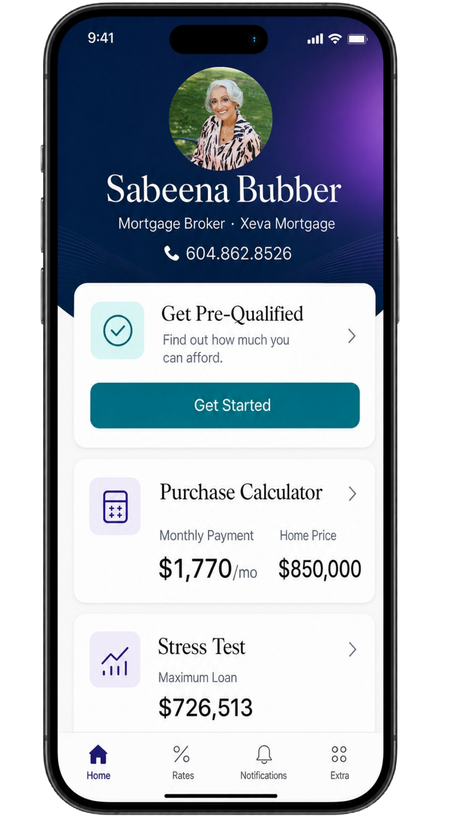
WHAT CAN YOU DO WITH MY APP
  • Calculate your total cost of owning a home
  • Estimate the minimum down payment you need
  • Calculate Land transfer taxes and the available rebates
  • Calculate the maximum loan you can borrow
  • Stress test your mortgage
  • Estimate your Closing costs
  • Compare your options side by side
  • Search for the best mortgage rates
  • Email Summary reports (PDF)
  • Use my app in English, French, Spanish, Hindi and Chinese

Looking to run some numbers?

CALCULATORS

If you're going through a divorce

and need mortgage advice.

LET'S CONNECT

You don't have to suffer in private,

you're not alone on this journey.


Visit my dedicated site for those navigating separation and divorce.

Access free resources and expert guidance to help you through this transition.

VISIT DIVORCE SITE

55+ and looking for solutions to enhance your lifestyle?

I offer multiple options including Reverse Mortgages, HELOC, standard and private financing to find the right retirement mortgage option for you.

Would you rather just get down to it and have me tell you exactly how much you qualify for? 

APPLY

Articles

I keep my Articles up to date so you can stay informed.

By Sabeena Bubber June 24, 2026
Buying a home is one of the biggest financial commitments you’ll ever make. That’s why lenders want to be sure you can handle your mortgage payments—not just today, but also if interest rates rise in the future. This is where the mortgage stress test comes in. Many Canadians hear the term but aren’t entirely sure what it means or how it affects them. Let’s break it down in plain language. What Is the Mortgage Stress Test? The stress test is a rule introduced by the federal government that requires all mortgage applicants to qualify at a higher rate than the one they’ll actually pay. Currently, you must qualify at the greater of your contract rate + 2% or the benchmark qualifying rate (set by the Office of the Superintendent of Financial Institutions). For example: If your lender offers you a 5-year fixed mortgage at 5.25%, you must show you could still afford the payments at 7.25% . Even if rates don’t rise that high, the stress test ensures you won’t be overextended if they do. Why Does It Matter? The stress test protects both borrowers and lenders by: Preventing over-borrowing : It ensures you don’t take on more debt than you can realistically handle. Preparing for rate hikes : With interest rates fluctuating, it’s a safeguard against sudden increases. Strengthening financial stability : It lowers the risk of defaults, protecting the housing market as a whole. While it can sometimes feel like a barrier—reducing the amount you qualify for—it’s ultimately designed to keep you from becoming “house poor.” How Does It Impact Buyers? The stress test can significantly affect your homebuying budget. For example, without it, you might qualify for a $600,000 mortgage, but with the stress test applied, you may only qualify for $500,000. That doesn’t mean your dream of homeownership is out of reach—it just means you may need to adjust expectations or explore other strategies, such as: Increasing your down payment Paying down existing debts Considering alternative lenders who may have different qualification standards Why Work With a Mortgage Professional? Every lender applies the stress test, but not every lender views your application the same way. An independent mortgage professional can: Shop multiple lenders to find the best fit Run affordability scenarios at different rates Help you understand how much house you can truly afford—without stretching your finances too thin The Bottom Line The mortgage stress test isn’t meant to stop you from buying a home—it’s there to protect you from financial strain down the road. By understanding how it works and planning ahead, you can make smarter choices and buy with confidence. If you’re thinking about purchasing a home, refinancing, or simply want to know how the stress test affects your options, connect with us today. We’ll help you stress-test your budget and find the mortgage solution that works best for you.

By Sabeena Bubber June 17, 2026
For most Canadians, the down payment is the biggest hurdle to homeownership. A down payment is the initial amount you contribute toward your property purchase, while the lender covers the rest through a mortgage. By law, Canadian lenders can only finance up to 95% of a property’s value, which means you’ll need at least 5% down to qualify. If you’re putting down less than 20%, your mortgage must be insured through one of Canada’s three default insurance providers— CMHC, Sagen (formerly Genworth), or Canada Guaranty . This insurance comes at a cost, but it can be rolled into your mortgage amount. The less you put down, the higher the premium. Since saving a down payment can feel overwhelming, it helps to know the different sources you can draw from. Here are the most common options available to Canadian homebuyers: 1. Savings & Personal Resources The most straightforward source is your own savings. Lenders will ask to see a 90-day history of the funds in your account. Any large deposits outside of regular payroll must be explained with documentation—such as the sale of a vehicle or a transfer from an investment account. This requirement isn’t just red tape; it’s part of Canada’s anti-money laundering rules. 2. Proceeds from the Sale of a Property If you’ve recently sold another home, you can use the proceeds as a down payment on your new purchase. Proof of the sale—such as the final statement of adjustments from your lawyer—will be required. 3. RRSP Home Buyers’ Plan (HBP) First-time buyers can withdraw up to $35,000 each (or $70,000 as a couple) from their RRSPs to put toward a down payment under the federal Home Buyers’ Plan . The funds are withdrawn tax-free, but they must be repaid over a 15-year period. This is a popular option for buyers who have been steadily contributing to their retirement savings. 4. Gifted Down Payment With today’s housing prices, many buyers turn to family for help. A parent or immediate family member can provide a gift that makes up part—or even all—of the required down payment. The lender will require a signed gift letter confirming that the money is a true gift (with no repayment expected) and proof that the funds have been deposited into your account. 5. Borrowed Down Payment In some cases, you may be able to borrow your down payment. This option is usually available only if you have strong credit and sufficient income. The payments on the borrowed funds are factored into your debt service ratios, so affordability is key. Lenders typically use 3% of the outstanding balance when calculating the additional payment. The Bottom Line A down payment doesn’t have to come from just one source—it can be a combination of savings, gifted funds, RRSPs, or other resources. What matters most is being able to show where the money came from and that it meets lender requirements. If you’d like to explore your options or learn how much you might qualify for, it’s never too early to start the conversation. Connect with us today—we’d be happy to help you create a plan and take the first steps toward homeownership.
By Sabeena Bubber June 10, 2026
The Bank of Canada announced today that it is maintaining its target for the overnight rate at 2.25%, with the Bank Rate at 2.5% and the deposit rate at 2.20%. For Canadian homeowners, buyers, and anyone with a mortgage on the horizon — here's what you need to know.

FOUNDING MEMBER

Working Together to Make a Difference.

LEARN MORE

LET'S TALK

SABEENA BUBBER

MORTGAGE BROKER | AMP

Contact Us